
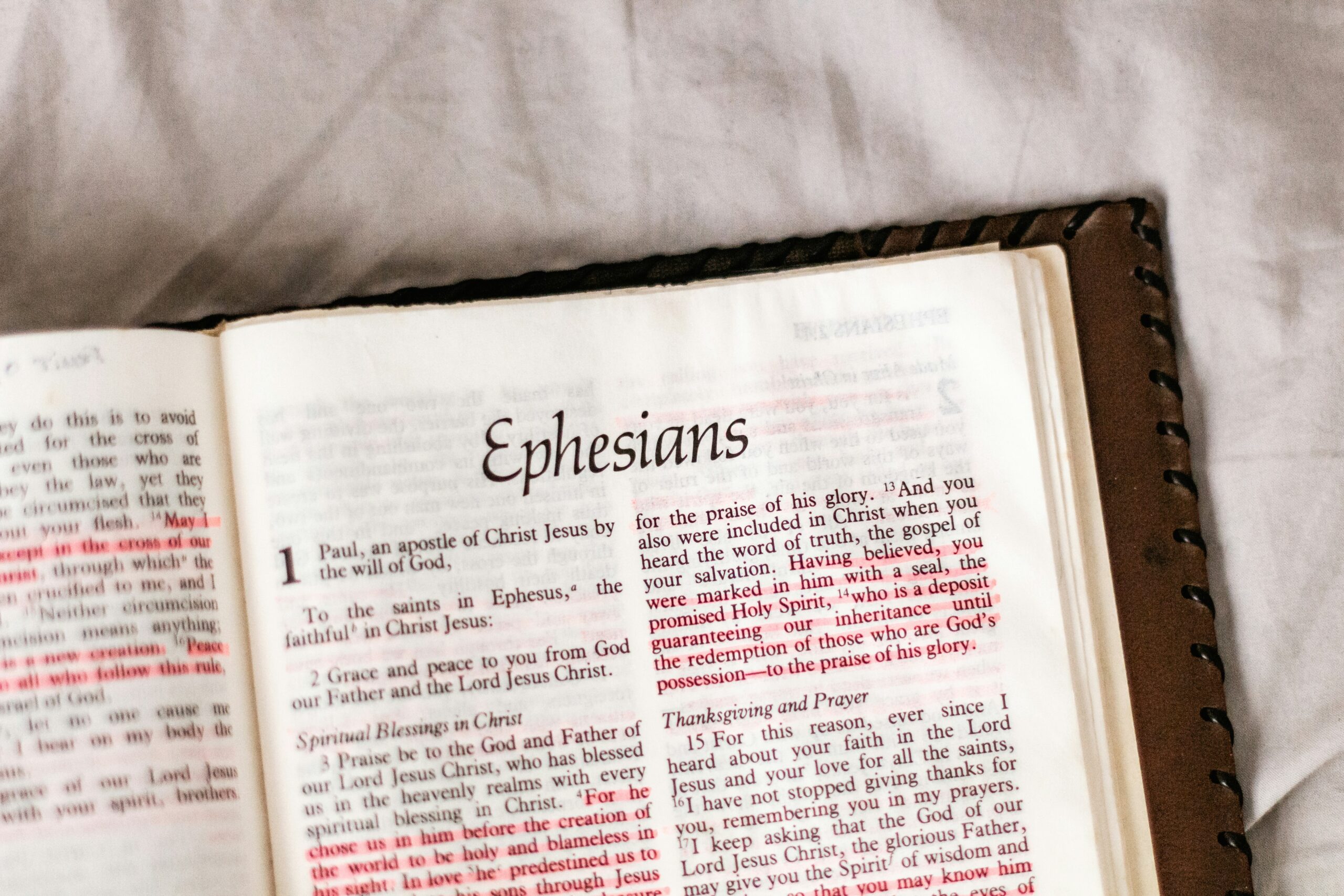
What are the Prison Epistles?
The Prison Epistles are so-called because they were written when Paul was in prison: Ephesians, Colossians, Philippians and Philemon all bear this evidence. There is some debate as to which prison he was in (and he was in different prisons more than once!), but Rome is the most-likely candidate. His imprisonment, however, does not defeat him, but is yet another avenue for ministry and his own growth and benefit.
Evidence for Paul’s Imprisonment
In a few of these epistles, Paul plainly states that he is a prisoner. Ephesians 3:1 says, “I Paul the prisoner of Christ Jesus”. He greets Philemon by stating he is a “prisoner of Christ Jesus” (Philemon 1:1, 1:9). Five times in Philemon’s twenty-five verse, Paul mentions something about his imprisonment (v. 1, 9, 10, 13, 23): as a prisoner he is in no real position to make the request of Philemon he will make in this epistle! There are a couple places where Paul talks about being with other prisoners: “Epaphras my fellow-prisoner” (Philemon 1:23) and “my fellow-prisoner Aristarchus” (Colossians 4:10).
In each of these four epistles, Paul talks about his “chains.” In Ephesians 6:20 he claims to be an “ambassador in chains.” Similarly, in Colossians 4:3 he says he is in chains for the mystery of Christ. Later in Colossians he asks the believers to “remember his chains” (4:18), probably in prayer. In trying to encourage the Philippian believers, Paul mentions his chains numerous times in chapter one (v. 7, 13, 14, 15). They saw Paul in prison in their town (Acts 16:22-40) and the benefit that resulted; would this new imprisonment be worse? Paul tells Philemon about his chains in 1:10 and 13, saying that he led Onesimus to the Lord while he was in chains.
Paul’s Perspective
Even though Paul is in prison (and not the kind of prisons we have today: he’s actually bound by chains!) he has the right perspective. He knows that his imprisonment is for the sake of the Lord Jesus Christ: Ephesians 3:1; 4:1; Philemon 1:1. He claims his imprisonment is for the Gospel (Philemon 1:13) and for the mystery of Christ (Colossians 4:3). He calls himself an ambassador (Ephesians 6:20): an exalted representative of the most exalted One in the universe!
And this imprisonment doesn’t seem to have defeated him: he recognizes he’s still viable in ministry. He asks prayer for opportunities to speak (Colossians 4:2-6; Ephesians 6:19). He calls the Philippians (1:5) and Philemon (1:1) his co-workers: Paul isn’t out of the game yet! He urges the Philippian church to not get defeated by his imprisonment since it has actually served to advance the Gospel (Philippians 1:12-14) and tells the Ephesians that his imprisonment is for their glory (Ephesians 1:13). He recognizes that even though he is chained up, the Gospel is not: it’s going to places like Colossae without Paul’s direct involvement (Colossians 1:4,8, 2:1 ). In fact, Paul is able to “rejoice” in his sufferings (Colossians 1:24), looking beyond the momentary struggles to the goal that makes it all worthwhile.
Paul’s Ministry from Prison
Not only in his evangelism, but Paul also recognizes that he is still a minister towards the believers, and uses his authority in the Gospel to teach, correct and exhort Christians. He urges the Philippians to live properly as citizens of heaven (Philippians 1:27). He exhorts these churches to live “worthy” of the Gospel: Ephesians 4:1; Colossians 1:10; Philippians 1:27. He gives believers concrete instructions for how to live out their Christianity (e.g., Ephesians 4:1; Colossians 3:1; Philippians 4:12; Philemon 1:17).
Paul’s “outward” ministry of evangelism, discipleship and leadership continues, and he is thankful for that. But Paul also sees his own benefit from his imprisonment. He expresses his heart in Philippians 3:7-14: everything is loss compared to knowing Christ, and he desires to participate even in Christ’s sufferings for the goal of knowing Christ better. He desires to depart this life and be with Christ (Philippians 1:23), but knows that either way Christ will be magnified through his life. Through his sufferings, he helps others to know Christ better; and through his sufferings, he himself knows Christ better.
The Prison Epistles show a man who has had a powerful ministry establishing and leading the early church but is now in prison. This new set of circumstances doesn’t defeat Paul, but he recognizes that God is still using him and still growing him.
Interested in learning more about the Prison Epistles?
If you’re interested in learning more about the Prison Epistles and the rest of the Bible request a free info packet below. Ethnos360 Bible Institute provides Bible courses both in-person and online.